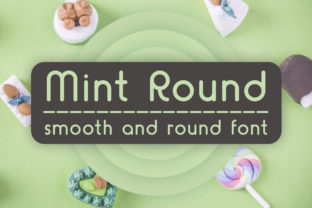
Mint Round: A Modern Display Font for Friendly Branding
It was a quiet afternoon, and I had just opened a fresh brand board for a boutique skincare line. The client wanted something approachable yet refined—something that would speak to the modern consumer without losing that personal touch. That’s when I first met Mint Round, a rounded and smooth display font with a modern feel. It immediately felt like the right fit, and as I started testing it across various elements, I realized how well it could bring warmth and friendliness to any creative project.
Mint Round for Skincare Branding and Product Packaging
Mint Round is a display font, and its soft curves and clean lines made it perfect for the skincare brand's product labels and packaging mockups. When placed on a minimalist bottle or a sleek box, the font didn’t overpower the design but instead added a subtle charm. Its rounded edges gave off a sense of care and approachability—exactly what the brand needed to connect with their audience. I found that using Mint Round in combination with a sans-serif font for body text created a balanced visual hierarchy that worked both digitally and in print.
One thing I noticed while placing Mint Round on a product label was how it handled small sizes. While it remained legible, it wasn’t ideal for long paragraphs or dense text blocks. This makes it more of a supporting typeface rather than a primary one for extended reading. For short phrases, however, it shone brightly.
Mint Round in Logo Design and Brand Identity
When I tested Mint Round on a logo concept for the same skincare brand, it brought an instant warmth to the composition. The font’s friendly vibe aligned perfectly with the brand’s mission of promoting natural, gentle skincare. I experimented with different weights and styles, and even though there weren’t many alternates or ligatures included, the font still felt versatile enough to adapt to multiple iterations of the logo.
What stood out was how Mint Round performed in monochrome and color variations. It maintained its character whether used in black, pastel shades, or even metallic tones. This flexibility made it a solid choice for creating a cohesive brand identity across various platforms—from business cards to social media profiles.
Mint Round for Social Media Graphics and Website Headers
In the realm of web design and social media graphics, Mint Round proved to be a reliable display font. When placed on a website header or an Instagram post, it added a modern and inviting feel without being too playful. It paired nicely with a serif font for longer sections of content, ensuring readability while keeping the visual appeal intact.
I also tried using Mint Round in a call-to-action button on a landing page. The font’s smoothness and rounded edges helped draw attention without overwhelming the user. However, I did notice that it wasn’t the best choice for long-form content on websites. For that, I’d recommend sticking to a more traditional sans-serif or serif font, reserving Mint Round for headlines and short promotional phrases.
Mint Round and Its Place in Commercial Typography
As a commercial font, Mint Round feels like a premium option for designers looking to add a friendly and modern touch to their projects. It’s particularly well-suited for brands targeting younger audiences or those aiming for a lifestyle-focused aesthetic. Whether you're working on a bakery packaging mockup, a café visual refresh, or a handmade shop branding piece, Mint Round can elevate the overall look with minimal effort.
However, if your project requires a more formal or corporate tone, this font might not be the best fit. It’s important to consider the context before finalizing your font choices. Always test Mint Round in real-world scenarios—like on a printed card, a digital banner, or a packaging label—to ensure it aligns with your brand’s voice and visual goals.
Before using Mint Round in any client work, make sure to review the licensing terms. It’s crucial to understand what rights are included, especially if you plan to use it in brand identity, templates, merchandise, or digital products. A clear understanding of the font’s usage rights will save you from potential legal issues down the line.